

TCO Scenario Simulation. Designing Your Future with Data
Many organisations still approach cloud transformation as a linear project. In reality, the biggest differentiator is not the move itself, but how well you use data to model what comes next.
In our latest article, we explore how TCO scenario simulation turns cost analysis into a strategic decision-making tool. Instead of relying on assumptions, organisations can model multiple futures, from growth scenarios to standardisation, automation and AI adoption, before those choices are made.
We look at how forward-looking TCO simulations enable more meaningful conversations between IT, Finance and the business. By comparing strategic paths rather than isolated costs, leaders gain shared ownership and clearer governance over cloud investments.
Ultimately, scenario simulation shifts organisations from gut feeling to data-driven control, helping them understand not just today’s costs, but how decisions will shape outcomes over time.
Return on Investment (ROI) Managing Value ina Cloud-Delivered IT Estate
Cloud ROI: Why Traditional Measures No Longer Work
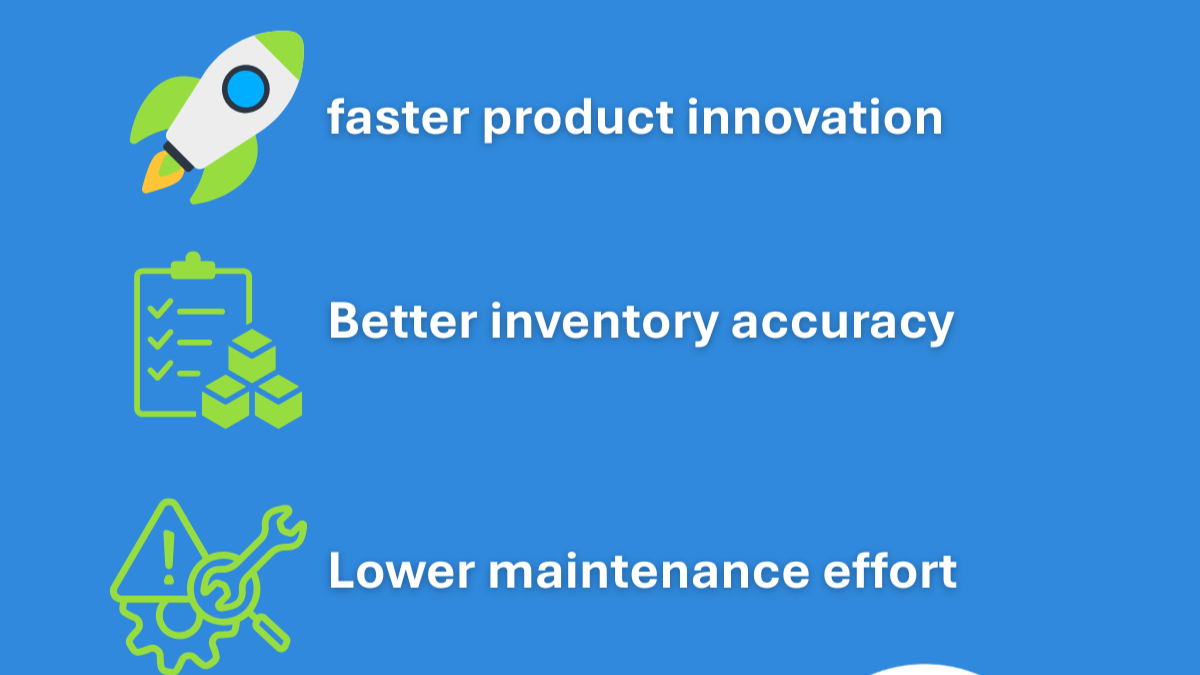
For years, ROI in IT was a straightforward calculation focused on cost savings and infrastructure efficiency. In a cloud-delivered IT estate, that model no longer tells the full story. Cloud investments now deliver value through agility, resilience and continuous innovation, not just reduced spend.
Organisations that take a structured approach to cloud management are realising business value significantly faster. Real-world examples show improvements in product innovation, operational accuracy and IT efficiency that far exceed initial cost-based business cases.
Modern cloud ROI is dynamic and shared across CIO, CFO and business leaders. It blends financial metrics with adoption, automation, performance and resilience indicators to show how technology is driving outcomes across the business.
This article explores how the ROI conversation is shifting from “What did we save?” to “What capabilities did we unlock?” — and what it means for organisations aiming to realise sustained value from cloud.
Investments into IT - How the CAPEX-to-OPEX Shift Changes Investment Logic
Cloud is often described as a technical evolution, but its most significant impact is financial.
As organisations move from CAPEX to OPEX, the way they fund, scale and govern technology changes with it.
For CIOs and CFOs, this shift introduces new investment logic, shorter value cycles and a clearer link between technology consumption and business outcomes.
This article explores how the transition from traditional ownership models to service-based consumption reshapes IT strategy, financial governance and enterprise agility.

Cost Transparency - Turning Cloud Spend into Strategic Insight
Do you really see your cloud spend clearly?
For many IT leaders, cloud costs remain a black box — fragmented across services, regions, and licenses.
That’s where cost transparency becomes a game-changer.
Strong visibility isn’t just about reporting; it’s about decision power.
With a clear TCO view, you can forecast scenarios, link spend to outcomes, and drive accountability across business units.
The advice4cloud TCO Calculator makes that transparency simple, combining analytics and governance to help you transform spend into strategic insight.
Explore how in our latest article: “Cost Transparency - Turning Cloud Spend into Strategic Insight.”

Seeing the Whole Picture - Rethinking TCO in Your Cloud Transformation
When organizations move to cloud ERP, the conversation often starts with agility, innovation, and speed, but what about the total cost of ownership (TCO)?
Too often, TCO is seen as a financial metric rather than what it truly is; a strategic lens for understanding value creation in your IT operating model.
In our latest article we explore why rethinking TCO is essential for any cloud transformation and how true cost transparency can unlock hidden efficiencies, better governance, and smarter investment decisions.
When you see the whole picture, TCO becomes your strategic compass, not just your budget line.

Navigating License Management for Cloud Transformation
As enterprises increasingly adopt cloud ERP solutions like SAP's RISE with SAP, effective license management becomes crucial. This strategy isn't just about maintaining compliance; it's about setting the stage for significant cost optimization and ensuring that cloud transitions align with broader business objectives.

What does end-to-end mean in a cloud-delivered estate ?
End-to-end (E2E) solutions play a pivotal role in modern business, supporting seamless transaction processes and integrated data analysis for better decision-making. Transactional E2E solutions enhance workflow efficiency, while E2E analytical processes offer a holistic view of data for strategic insights. Cloud technology boosts these solutions with scalability and accessibility, democratizing advanced tools for all businesses. CIOs should focus on the synergy between transactional and analytical processes, the scalability of outcomes, and human oversight in decision-making to maximize cloud-enabled E2E benefits and long-term business alignment.

The Business Transformation imperative for SaaS projects
SaaS ERP projects should be seen as holistic business transformations rather than just IT upgrades. Co-ownership among the CIO, CFO, and business leaders ensures alignment with broader business goals, driving real-world improvements. Defining a unique transformation roadmap is critical, with KPIs focused on business outcomes like market responsiveness and scalability. SaaS offers more than cost savings, enabling companies to enhance innovation, decision-making, and agility.

The slow metamorphosis of IT organizations: Evolving for the future
Over the last decade, IT has evolved from a support function to a strategic business driver. CIOs now guide IT transformations, aligning technology with business goals and fostering innovation. This shift requires restructuring teams to act as value creators, integrating roles such as multipliers who boost team potential, innovators who adopt emerging tech, and champions who advocate for IT’s strategic importance. Leading IT like a business unit enhances agility, enabling CIOs to create proactive, collaborative teams that contribute to business success and adapt to evolving digital landscapes

Governance isn’t everything, but everything is governance !
Many IT projects fail due to vague goals, poor communication, and ineffective stakeholder management. A central, often overlooked factor in these failures is governance, which involves not just defining operational structures but also holding teams accountable. Effective governance should outline daily project operations and align them with objectives, competencies, and outcomes. It requires synchronizing interdependent activities and ensuring software vendors provide continuous guidance. True governance serves as a success incubator through consistent monitoring and reflection, fostering a culture where change is normalized and value is maintained over time.

Private or Public Cloud: What’s Best for Your Business?
When evaluating public versus private cloud solutions, CIOs should start by aligning cloud transformation with clear business goals and effective communication. The choice depends on specific business needs, budget, and regulations, often influenced by legacy systems and collaborative IT-business relationships. Public cloud offers scalability and cost efficiency, whereas private cloud allows for customization and governance flexibility. Companies that foster a strong, cooperative culture may benefit more from public cloud. Hybrid models are also viable, balancing control and adaptability. A collaborative approach ensures cloud choices align with company vision and outcomes.